
Keeping Your Building’s Ductwork Safe Can Help Prevent Workers’ Comp Lawsuits
When facility managers think about workplace safety, they often focus on visible hazards — wet floors, poor lighting, or faulty equipment. But one of the most overlooked risk areas is hidden above ceilings and behind walls: your HVAC duct system.
2 min read
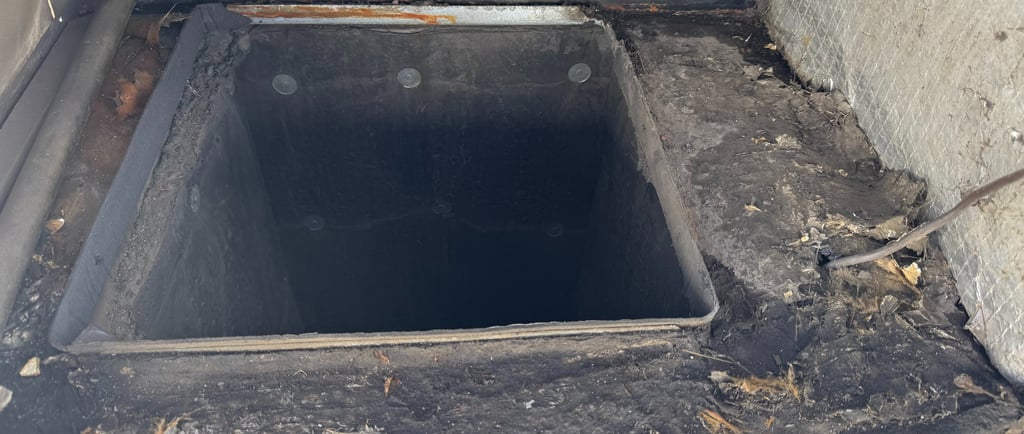
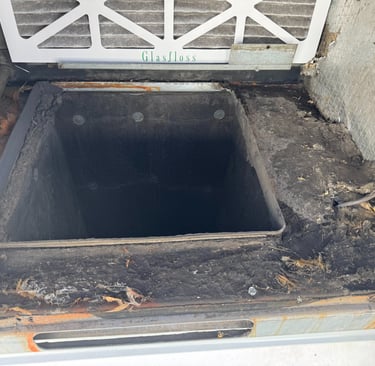
Over time, dust, debris, mold, and even pests can accumulate inside commercial duct systems. If ignored, these conditions may contribute to:
Respiratory issues (asthma flare-ups, allergies)
Poor indoor air quality complaints
Mold exposure claims
Fire risks from excessive debris
Unsafe working conditions for maintenance staff
Under OSHA’s General Duty Clause, employers are required to provide a workplace free from recognized hazards. The Occupational Safety and Health Administration (OSHA) outlines employer responsibilities for maintaining safe indoor environments, including ventilation systems.
Failure to maintain safe air systems could potentially strengthen a workers’ compensation claim if an employee alleges illness due to workplace exposure.
How Duct Neglect Can Lead to Workers’ Comp Claims
Workers’ compensation laws vary by state, but generally employees may file claims if they can show their illness or injury arose out of workplace conditions.
The National Air Duct Cleaners Association (NADCA) emphasizes that HVAC system cleanliness directly impacts indoor air quality and system performance.
Potential claim scenarios include:
Employees developing respiratory problems linked to mold or dust
Maintenance workers injured due to unsafe duct access or collapse
Fire or smoke exposure resulting from debris-filled ducts
Contractors exposed to hazardous buildup during repairs
Even if claims are ultimately denied, legal defense costs, insurance premium increases, and reputational damage can be significant.
💸 The Financial Risk of Inaction
A single workers’ comp claim can cost thousands — or significantly more if long-term medical care is involved. According to the National Safety Council (NSC), the average cost of a medically consulted workplace injury in the U.S. is tens of thousands of dollars.
👉 Injury cost overview:
https://injuryfacts.nsc.org/work/costs/work-injury-costs/
Preventative maintenance — including duct inspection and cleaning — is often far less expensive than even one serious claim.
Preventive Steps to Reduce Liability
To reduce risk:
1 Schedule Routine Inspections
Have ducts inspected regularly for dust buildup, mold growth, structural damage, or airflow restriction.
2 Follow Industry Cleaning Standards
Use certified professionals who follow recognized HVAC cleaning protocols.
3 Document Maintenance
Keep detailed records of inspections, cleaning dates, and corrective actions. Documentation can be critical if a claim arises.
4 Address Employee Complaints Quickly
If employees report odors, dust, or breathing issues, investigate immediately and document your response.
5 Integrate HVAC Into Your Safety Plan
Include ventilation systems in your overall workplace hazard prevention program.
Safer Air = Safer Workplace
Maintaining safe ductwork isn’t just about compliance — it’s about demonstrating due diligence. A clean, properly functioning HVAC system helps:
Reduce airborne contaminants
Improve employee comfort
Lower absenteeism
Minimize legal exposure
Protect your insurance rates
Proactive maintenance shows that you’re committed to providing a safe work environment — which can make a major difference if a workers’ compensation claim ever arises.
Final Thoughts
Hidden systems can create visible legal problems. By prioritizing duct safety and HVAC maintenance, employers reduce health risks, strengthen compliance efforts, and protect their bottom line.
If you manage a commercial building, now is a good time to review your maintenance schedule — before a preventable issue turns into a costly lawsuit.
Contact
Phone
© 2026 Safe Air Solutions. All rights reserved.


Safer Solutions
At Safe Air Solutions, we believe a healthy building is a safe building. We are dedicated to protecting your property and workforce by eliminating the hidden hazards within your ventilation systems.